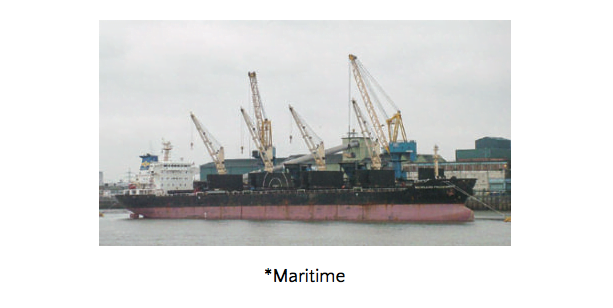
NIGERIAN Maritime Sector accounts for over 80 per cent of our international trade through transportation, fishing, oil and gas. But the irony is that 80 per cent of most criminal activities emanate from the maritime sector. It further means the drop in the crime rating of our country and the attendant improvement of our economy is dependant on the security of the maritime corridors and territorial waters. In Nigeria,arising from oil and gas as the mainstay of our economy, the need for effective maritime surveillance and operational exigencies must be emphasised here. In the past one and a half decades, there has been increasing threat to global security, with the criminals using high seas and internal waterways as their safe haven. *Maritime Prior to the inauguration of the present administration headed by President Muhammadu Buhari, our nation’s maritime corridors were regarded as one of most unsafe, with frequent cases of sea robbery, oil theft, piracy and other forms of criminal activities. On this account, the nation was unable to tap maximally, its full potential from the sectors of transportation, fishing, oil and gas. This trend negatively impacted significantly on our Gross Domestic Product, GDP. This was the scenario before the current Chief of Naval Staff, Vice-Admiral Ibok-Ette Ekwe Ibas assumed office. Since then, several proactive and demonstrated commitments have been asserted to ensure that the Nigerian Navy is professionally positioned, competitive and motivated to drive its primary responsibilities.These include intensified surveillance and patrol at operational choke points. The leadership of the Nigerian Navy has deliberately undertaken several operations though not limited to “Tsura Teku” in Warri, Delta State, to rid the nation’s waterways of robbery, piracy and illegal oil bunkering. Several ships, gun and patrol boats have been acquired and deployed for maritime security drills, demographic intelligence and operations. The Navy leadership also commenced a sea and back water exercise, codenamed Octopusgrip in Onne, Rivers State. That was in addition to Operation Rivers Sweep intended to ensure a 24-hour surveillance on the nation’s high seas. As a result of these measures, the Command, between May and September 2017, seized and destroyed about 870 metric tonnes of illegally refined crude oil. Also, 400 illegal refineries were destroyed along with 85 boats used by oil thieves. At the moment, the Nigerian Navy has ensured that no vessel goes in and out of the Nigerian creeks without being interrogated through the introduction of a choke point control regime. It is gratifying to note that the Nigerian Navy has sustained its dominance at sea and back waters by daily deployment of ships and boats within the areas of responsibility of each of the Commands. These efforts have earned the Nigerian Navy international recognition and positive rating arising from its stellar performances though not limited to the successful rescue of a French warship during last year’s military exercise. Those perpetrating maritime crime have now realised that it is no longer business as usual as statistics show a remarkable reduction in occurrences of piracy and sea robbery. Operators in the maritime sector say this has subsequently provided a conducive environment for the sustenance of economic activities, including oil and gas production, safety of shipping and other maritime activities. The successes recorded in the last two-and-a-half years were as a result of the visionary and purposeful leadership of the President and Commander-in-Chief of the Nigerian Armed Forces, Muhammadu Buhari, who has continued to wage a relentless war against corruption, and has re-positioned the Armed Forces for greater service delivery. The President must also be commended for the tenure renewal of the current Service Chiefs, a move many Nigerians believe, will consolidate the efforts so far made. As the nation marks the 2018 Armed Forces Remembrance Day, it is hoped that the Nigerian Navy will continue to receive the support of all Nigerians in line with its age-long slogan of Onward Together. Also, as the Chairman of the House of Representatives Committee on Navy said recently during an oversight inspection of housing units constructed by the Navy in Calabar, Cross River State, there is need for increased budgetary allocation to the Nigerian Navy to enable it consolidate on its lofty programmes and successes occasioning stable oil production regime especially now that international oil price has remarkably improved.
Source: vanguardngr